While headlines warn of risk, Nigeria’s $42 B reserves, 3.9 % GDP growth and $20 B diaspora remittances paint a different picture. The gap between perception and reality? That’s where we invest.

In this edition, I’ll walk you through a $4.2 B fintech play and a $80 M turnkey shop in Abuja. For a $10 K investor, it’s about building infrastructure, not chasing hype.

You’ll learn how to spot hidden growth, quantify risk, and turn small capital into real impact. Join me, let’s turn jollof talk into profitable moves. Every story is a doorway to a new partnership or a fresh revenue stream, and I’ll show you how to step in without drowning in jargon.


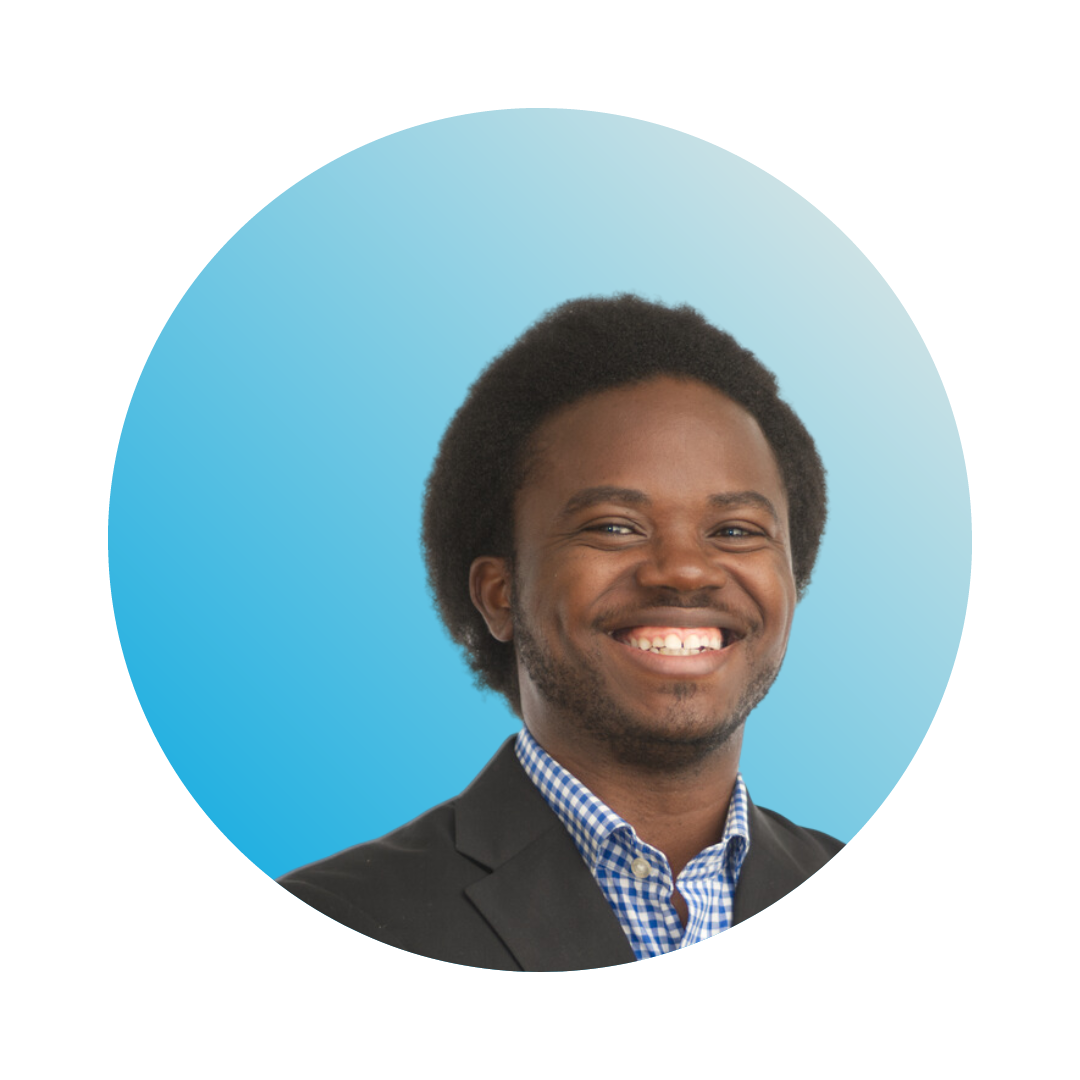
Dele Omotosho

Founder & MD @ Counseal

Husband & father of 2

Avid talking drummer

Let's Connect on LinkedIn


This Week's Notable Opportunity

Where diaspora capital meets local execution capability

The $4.2B Play Nobody's Watching: Why Nigeria's Fintech Boom Is Just Getting Started

While everyone debates crypto crashes, Nigeria's fintech sector quietly processed $4.2B in transactions last quarter — up 156% year-over-year. The real story? We're still at 45% financial inclusion, meaning half the market hasn't even entered yet.

Here's what changed: CBN's new licensing framework dropped barriers for specialized fintechs. Agency banking networks now reach 774 LGAs. For diaspora investors with $50K-$500K, the opportunity is in B2B fintech infrastructure — payment rails, KYC solutions, and embedded finance platforms serving the next wave of digital businesses.

The "regulatory risk" everyone fears? Actually your moat. New frameworks favor compliant players with proper structure. Start with partnerships, not platforms. The winners will be those who solve distribution, not just build tech.

Let's discuss how you can tap into this opportunity →

Connect: Share your thoughts with us on X/Twitter, @deleconnects

Market Movements

📈 Industry Insights

Key sector updates and opportunities

Nigeria's 2026 Tax Holiday: Why Your Next Hire, Meal, or Solar Panel Just Got 0% VAT

You already know Nigeria's tax code is a maze. Come January 1, 2026, half the walls disappear.

Here's the quick math: if you earn minimum wage (₦70,000/month) you'll pay zero PAYE—full stop. Push that to ₦1.2 m a year and you still owe nothing. Even folks on ₦20 m get a lighter hit. Add in new rent relief (up to ₦500 k) and suddenly disposable income jumps for 7 out of 10 formal workers.

Why it matters: consumer wallets will swell before the elections heat up. FMCG, ride-hailing, and pay-TV firms should prep for a demand bump, not a slump.

On the corporate side, any company under ₦100 m turnover and ₦250 m in fixed assets pays 0% CIT. That's your neighbourhood bakery, the agro-processor in Ogun, and most tech shops in Yaba. Hire staff and keep them three years—uncle Sam (sorry, uncle Taiwo) gives you 50% extra deduction. One mid-sized agro-client I advise is already shifting payroll to permanent contracts to lock this in.

And the VAT story? Basic food, diesel, sanitary pads, EV parts—0%. Solar panels too; guess which sector just became the easiest sell in a country that hates darkness?

Real play: A Lagos fintech I know is modelling free transfers under ₦10 k (stamp duty gone) to scoop dormant users. More transactions, more float, same revenue line.

Bottom line: the reform isn't charity—it's a stimulus package dressed in legal English. If you're budgeting for 2026 and ignore these levers, you're leaving money on a table that's already wobbling.

🤝 Deal Flow

Notable investments and partnerships

Qatar's $300B Nigeria Bet: Why Gulf Capital Is Flooding Lagos

Qatar just committed $300 billion to Nigeria. Not a pledge. Not a framework. A $300 billion FDI commitment led by Sheikh Abdul-Rahman Hamad N.H. Al-Thani of the Qatari royal family.

The money targets infrastructure, energy, oil and gas, agriculture, and aviation. Future Union Group is moving fast — they landed in Lagos, liked what they saw, and are heading to Abuja to start structuring deals with government agencies.

Why this matters: Gulf capital has been cautious on Nigeria for years. Forex policy scared them off. Repatriation risk killed deals. But Tinubu's reforms changed the math. The naira float and forex liberalization mean investors can actually get their money out. That's why Dr Abdelgalil Sharaf, CEO of Future Union, said 'Nigeria has what we need: people, potential, and purpose.'

The signal: When a Qatari royal family member writes a $300B check, it's not about one sector. It's infrastructure-level conviction. They're betting Nigeria becomes the dominant African economy worth building into for the next decade. Expect more Gulf capital to follow — this is the validation other sovereign wealth funds were waiting for.

📊 Market Intelligence

Economic indicators and market trends

Nigeria's Climate Crisis: The ₦2.4 Trillion Gap Between Policy and Protection

Nigeria has spent years drafting climate policies while floods destroy ₦2.4 trillion in farmland and infrastructure annually. The 2022 floods alone displaced 1.4 million people and wiped out 400,000 hectares of crops. Yet climate budgets remain untraceable, vanishing into bureaucracy with no evidence they reach affected communities.

This matters because the gap between planning and action is now a business risk. The National Climate Change Policy and 2021 Climate Change Act promised coordinated responses, but a 2024 review found efforts remain "fragmented, donor-driven, and poorly institutionalized." Translation: if you're operating in agriculture, logistics, or infrastructure, you're on your own when the next flood hits.

What it means for you: Don't wait for government adaptation programs. If your business depends on supply chains through flood-prone areas like Benue or the Niger Delta, build your own resilience now. The official response to the 2025 Mokwa flood showed the pattern—blame climate change, promise investigations, repeat next year. Companies that survive Nigeria's climate reality are the ones investing in their own early warning systems, alternative routes, and climate-proofed infrastructure. The policies exist on paper. The protection doesn't.

Featured Business

Featured business acquisition opportunity

Success Stories

Real wins from entrepreneurs building across borders

How Two Ex-Paystack Engineers Built a $2M Fintech in 18 Months — Without Competing on Payments

In 2021, Cossi Achille Arouko spotted something while working at Paystack: African businesses were drowning in scattered tools. Accounting software here, banking apps there, Excel sheets everywhere. The result? Finance teams couldn't see where money was going until it was already gone.

Most fintechs were chasing consumer payments. Arouko went the other way. He teamed up with Samy Chiba from Ariane Space and built Bujeti — a unified finance platform for businesses. They got into Y-Combinator, quit their jobs, and raised $2M in seed funding within a week by December 2023.

Here's what they did differently: Instead of building another neobank, they focused on the unsexy stuff — budgeting, approvals, expense tracking, all in one dashboard. They let businesses issue corporate cards with spending limits, automate bulk payments, and track every naira in real-time. No more chasing vendors for payment confirmations because everyone sees the same transaction data.

The traction? Companies like Selar adopted Bujeti to replace multiple banking platforms. Revenue comes from subscriptions (₦10,000-₦20,000/month) plus transaction fees. They're now launching a mobile app with AI that flags suspicious payments, detects overcharging, and enforces company policies automatically — turning 50-page policy documents into instant rules.

The lesson: In Africa's crowded fintech space, the biggest opportunity isn't moving money faster — it's helping businesses control where it goes. Arouko and Chiba didn't compete with Paystack or Flutterwave. They built the tool those companies' customers actually needed to manage their finances. That's a $2M bet on solving coordination problems, not payment rails.

Expert Corner

Insights from industry leaders and market specialists

Why Traceability, Not Volume, Will Unlock Africa's Mineral Wealth

Anu Adasolum has moved over 100,000 tons of lithium monthly across West Africa through Sabi's TRACE platform. Her contrarian take? Africa's mining problem isn't lack of resources — it's lack of credibility. And the solution isn't digging more; it's proving what you've already dug.

Here's what matters: Africa holds 30% of the world's critical minerals but captures only 10-20% of their value. The gap isn't geological — it's reputational. Global buyers need verified provenance, auditable supply chains, and compliance documentation. Without digital traceability, African producers can't compete, no matter how much lithium or cobalt they extract. Sabi's digital passports track every shipment from mine to export, creating the audit trail that turns informal miners into credible suppliers for international manufacturers.

If you're evaluating mineral opportunities in Africa, stop asking "How much can we extract?" Start asking "Can we prove where it came from and how it was produced?" The winners in Africa's mineral boom won't be the biggest diggers — they'll be the ones who can document every step of the supply chain. That's what unlocks access to global capital and premium buyers.